
The Journal of Public and International Affairs
Published since 1886 by the Academy of Political Science
Archive Search
Advanced Options
pp. 372-374
Sunbelt Capitalism: Phoenix and the Transformation of American Politics, Elizabeth Tandy Shermer
American historians, of late, have been rediscovering the history of capitalism and the key role American capitalists have played in American politics, a scholarship showcased in the edited collection, What’s Good for Business: Business and American Politics since World War II (2012). Elizabeth Shermer’s book on the political economy of Phoenix in the middle decades of the twentieth century is a valuable contribution to this literature. Focused on “grasstops” activists, most of them members of the Phoenix Chamber of Commerce, Shermer argues that a pro‐growth coalition—business boosters— took over Phoenix and Arizona politics in the immediate post‐World War II era and crafted a model of economic development that largely benefited local and regional businessmen, at the expense of working‐class residents. These business activists, like their peers in most other fast‐growing Sunbelt metropolises, continued to exert hegemonic control over the political economy of their communities well into the twenty‐first century. At least in terms of population growth, this pro‐business political bloc succeeded wildly, as Phoenix went from a small, economically peripheral town of 11,000 people in 1910 to America’s sixth largest city, with a population of nearly 1.5 million in the early twenty‐first century. It
To continue reading, see options above.
Race, Ethnicity, and Urbanization: Selected Essays, Howard N. Rabinowitz Reviewed by David Farber
Join the Academy of Political Science and automatically receive Political Science Quarterly.
APS Forum | Book Talk - The Insiders' Game: How Elites Make War and Peace
June 22, 2026
WEBINAR
CONTRIBUTIONS TO POLITICAL SCIENCE
Governing by Decree: The Trump Presidency and the Decline of “Legislating Together”
Desmond King
Publishing since 1886, PSQ is the most widely read and accessible scholarly journal with distinguished contributors such as: Lisa Anderson, Robert A. Dahl, Samuel P. Huntington, Robert Jervis, Joseph S. Nye, Jr., Theda Skocpol, Woodrow Wilson
view additional issuesArticles | Book reviews
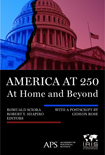 |
AMERICA AT 250:
AT HOME AND BEYOND |
The Academy of Political Science, promotes objective, scholarly analyses of political, social, and economic issues. Through its conferences and publications APS provides analysis and insight into both domestic and foreign policy issues.
With neither an ideological nor a partisan bias, PSQ looks at facts and analyzes data objectively to help readers understand what is really going on in national and world affairs.


